ERDENEBUREN HYDROPOWER PLANT PROJECT

Project Overview:

The Erdeneburen Hydropower Plant Project is included in Mongolia’s long-term development policy, the Water Sector Master Plan, the Government Action Program for 2020–2024, the New Revival Policy, and other national policy documents. These documents outline the implementation of the Erdeneburen Hydropower Plant project.

Currently, the western region of Mongolia’s energy system is supplied by energy imported from neighboring countries. The Erdeneburen Hydropower Plant will play an important role in stabilizing the western regional power system, ensuring energy security, reducing electricity imports, and lowering the cost of electricity.

Within the framework of the Government Action Program for 2018–2020, Mongolia signed a loan agreement worth USD 1 billion with the Export-Import Bank of China to finance the construction of the Erdeneburen Hydropower Plant.

Project Significance:

The Erdeneburen Hydropower Plant will fully supply electricity to the Altai-Uliastai regional power system in western Mongolia and will help support the central energy system during peak demand.

• It will enable western provinces to meet 100% of their electricity demand with clean renewable energy, eliminating dependence on imported electricity.

• By generating electricity domestically, it will reduce greenhouse gas emissions by approximately 330,000 tons annually.

• Increase clean water reserves, combat climate change, and reduce greenhouse gas emissions by 330 thousand tons.

• During the construction phase of the hydropower plant, approximately 800–1000 jobs will be created each year, and 60–80 permanent jobs will be established during operation.

• The project will support regional development, promote reliable infrastructure, improve conditions for business and industry, and increase citizens’ income.

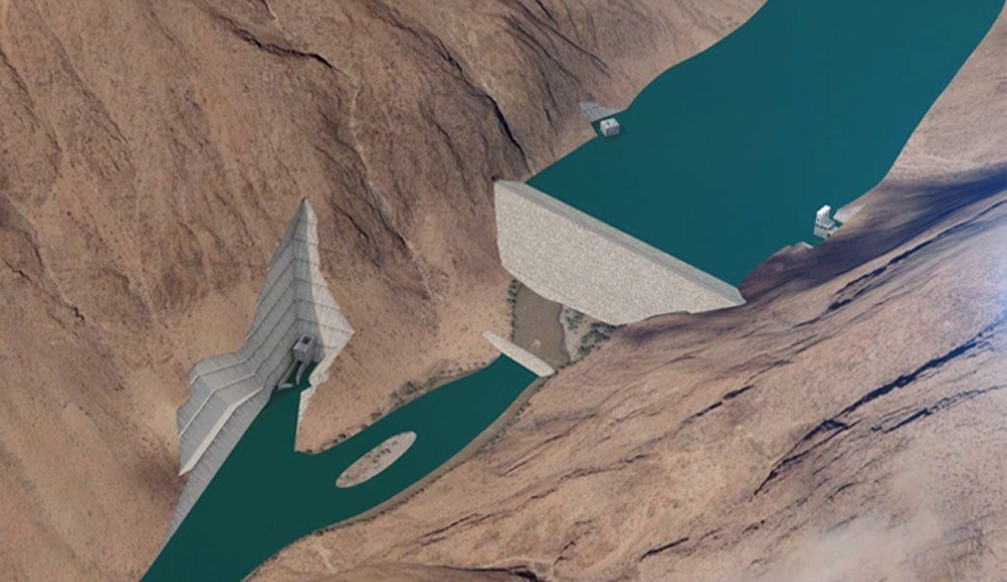
• The reservoir created by the hydropower plant can be used for tourism, recreation, and other economic development activities.

• It will improve irrigation opportunities for agricultural lands in Erdeneburen, Buyant, and Mankhan soums of Khovd province.

• The reservoir will increase local humidity and may have positive effects on the local climate.

• Hydropower plants are among the most reliable renewable energy sources. Unlike solar and wind power plants that depend on weather conditions, hydropower plants can generate electricity continuously as long as water flow is available.

• The operational lifespan of a hydropower plant is typically 60–100 years, while operating costs remain relatively low.

Construction Works Completed in 2025:

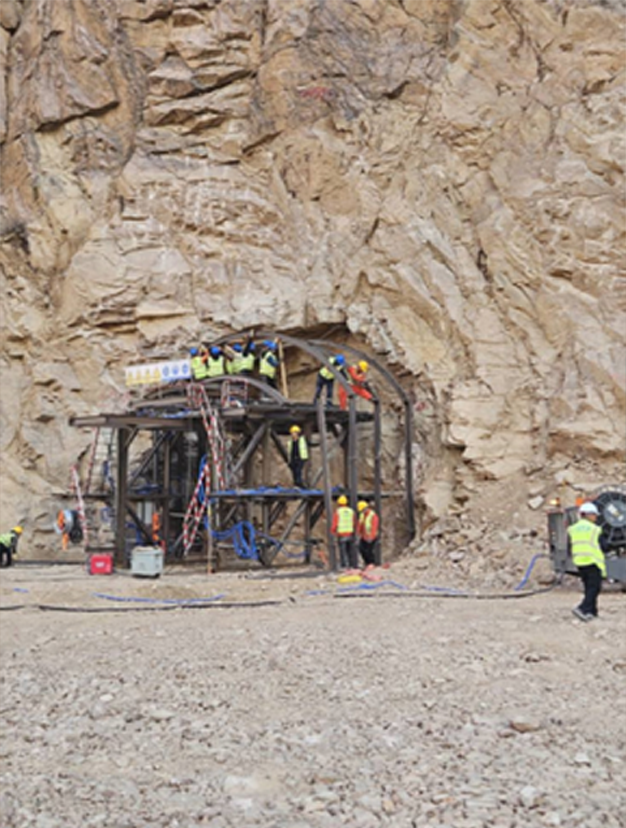
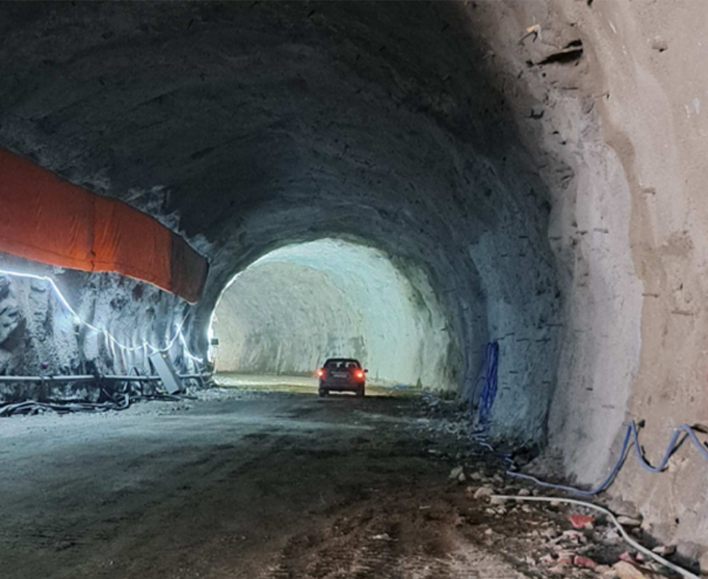
Excavation of the main tunnel of the hydropower plant: 174.6 meters

Excavation of the water diversion tunnel: 212.8 meters

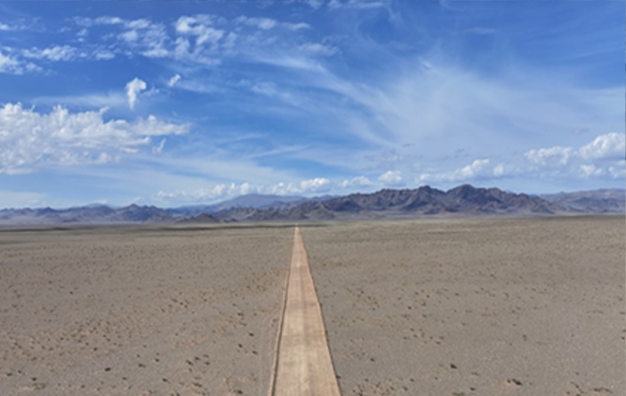
Technology road construction (from the main central road to the project site): 37.8 km

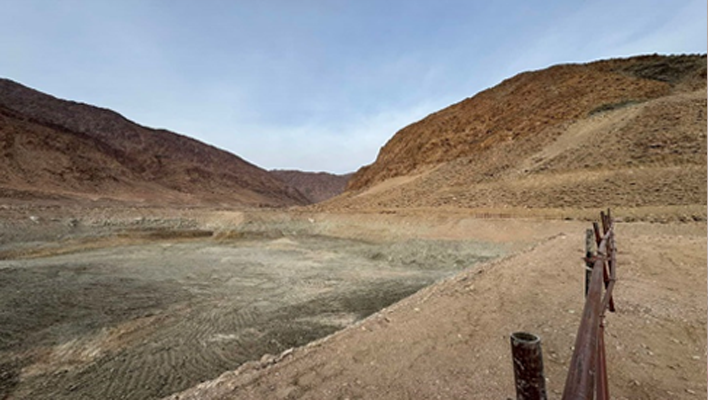
Excavation for the power plant
building foundation: 11 meters