Project Objective:
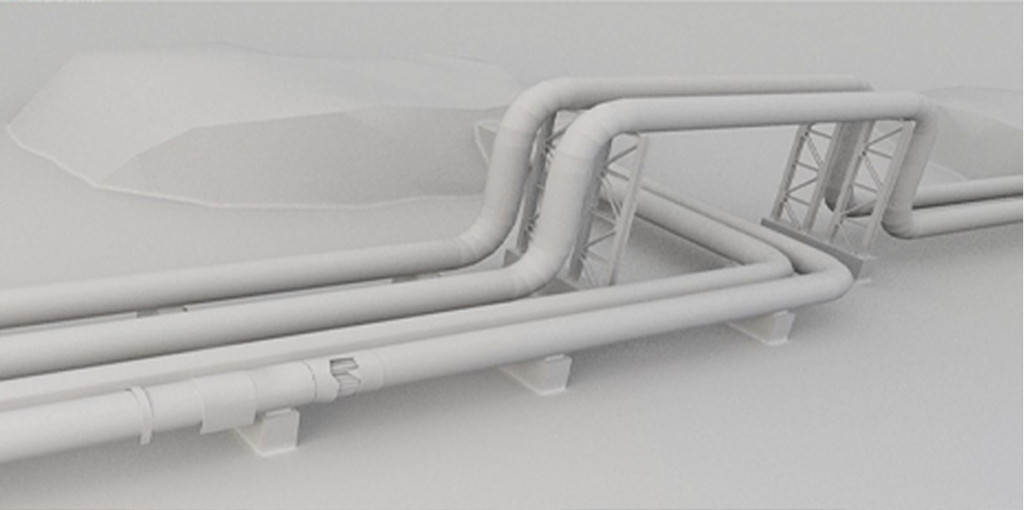
The objective of the project is to expand the capacity and improve the efficiency of the district heating transmission network in selected areas, as well as to strengthen the capacity of Ulaanbaatar District Heating Company (UBDH) in order to enhance the effectiveness of project implementation.
• Increase the capacity of district heating transmission pipelines and extend the network to selected ger (informal settlement) areas;
• Reduce heat loss and improve system efficiency through the rehabilitation of existing transmission pipelines;
• Upgrade pressure boosting pumping stations within Ulaanbaatar’s district heating transmission network.
The project consists of two main components.
Component 1 (USD 40 million)
This component includes works related to expanding and rehabilitating district heating transmission pipelines, extending the network, upgrading existing pressure boosting pump stations, and constructing heat substations. Under this component, three subcomponents will be financed:
• Subcomponent 1.1:
Expansion and rehabilitation of the district heating network in selected urban areas.
• Subcomponent 1.2: Based on the completion of Subcomponent 1.1, new transmission pipelines will be constructed to connect households in selected ger areas to the district heating system, contributing to the reduction of air and environmental pollution.
• Subcomponent 1.3: Support the modernization of district heating pressure boosting pump stations, including installation of compact booster pumps and heat exchange equipment.
Component 2
This component finances activities supporting policy and institutional reforms in the medium and long term. It aims to improve the technical, operational, and resource management functions of Ulaanbaatar District Heating Company (UBDH) to ensure successful implementation of the project. This component consists of two subcomponents:
• Subcomponent 2.1: Improvement of UBDH’s technical, operational, accreditation, and organizational resource management functions. It also includes technical assistance for key stakeholders in sector planning, legal regulation, and institutional arrangements.
• Subcomponent 2.2: Support for project management activities, including preparation, monitoring, and evaluation related to environmental and social responsibilities, as well as the activities of the Project Implementation Unit (PIU).
Project Implementation Timeline:
Under Subcomponent 1.1:
• 2020–2021: Project preparation works
• 2021–2022: Construction works for temporary steam pipelines and expansion/rehabilitation of Package 5a-1-4 and the 3g main transmission line
• 2022–2023: Construction works for expansion and rehabilitation of main pipelines: 5a-5 package, 4ab, 2a, 9ab, 9g, 9j, and 12g
• 2023–2024: Construction works for expansion and rehabilitation of 9g and 2a main pipelines
• 2024–2025: Construction works for expansion and rehabilitation of pipelines: 2a, 1a (Gegeenten), 2d, and 1a (Zaisan)
Socio-Economic Benefits of the Project:
The project will generate a wide range of economic, environmental, and social benefits.
These include:
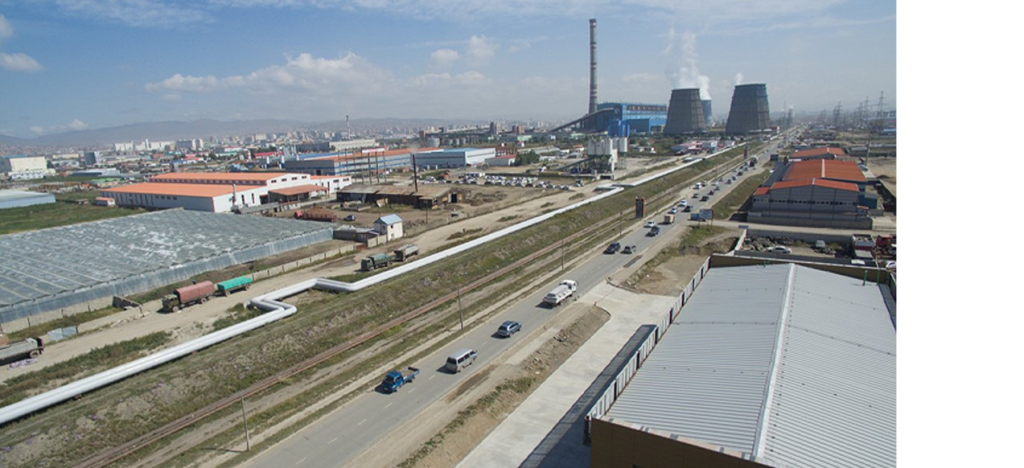
• Expansion and modernization of the transmission network will play a key role in addressing existing capacity constraints. The transmission capacity of the district heating network will increase by 40–100 Gcal/h. This will also enable the integration of modern heating technologies and improve production efficiency by utilizing idle capacity during low-demand periods.
• Investment in the transmission network will improve the operational efficiency of the system, reduce fuel consumption, operational losses, and maintenance costs, and extend the service life of sector assets.
• Connecting more buildings to the district heating network will help replace existing coal-fired heat-only boilers and traditional heating stoves, and prevent the need for installing additional coal-based heating facilities. • Additional benefits include a reduction in air pollution, improvement in air quality, and positive impacts on public health. The project will also contribute to reducing greenhouse gas emissions, lowering the risk of major infrastructure failures, and improving the quality and reliability of heating services.
Under Subcomponent 1.2:
• 2021–2022: Preparation of four design and engineering plans for expanding the district heating network to selected ger areas
• 2023–2024: Completion of the remaining 363 twin meters of the 4200 twin-meter DN800 main heating pipeline from Valve Station 43 (southwest of CHP-2) toward Moscow District up to Node-18
• 2024–2025: Construction and installation works for the Narlag main heating pipeline and 1a (Zaisan) main pipeline Under Subcomponent 1.3:
• 2023: Rehabilitation of the 6 kV old switchgear systems at the UBDH “Industrial Base”
• Rehabilitation of the 6 kV old switchgear systems at Pump Station No. 3
• 2025: Replacement of the constant-speed pump on the return side of Booster Pump Station No. 3 with a variable-speed pump